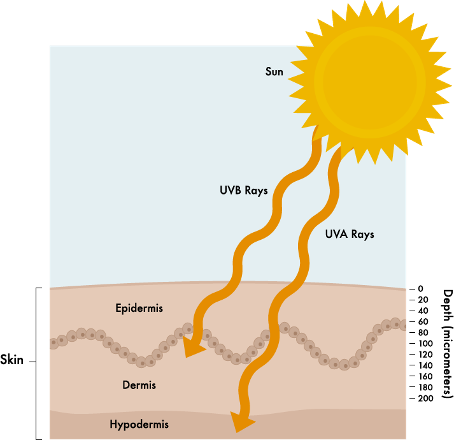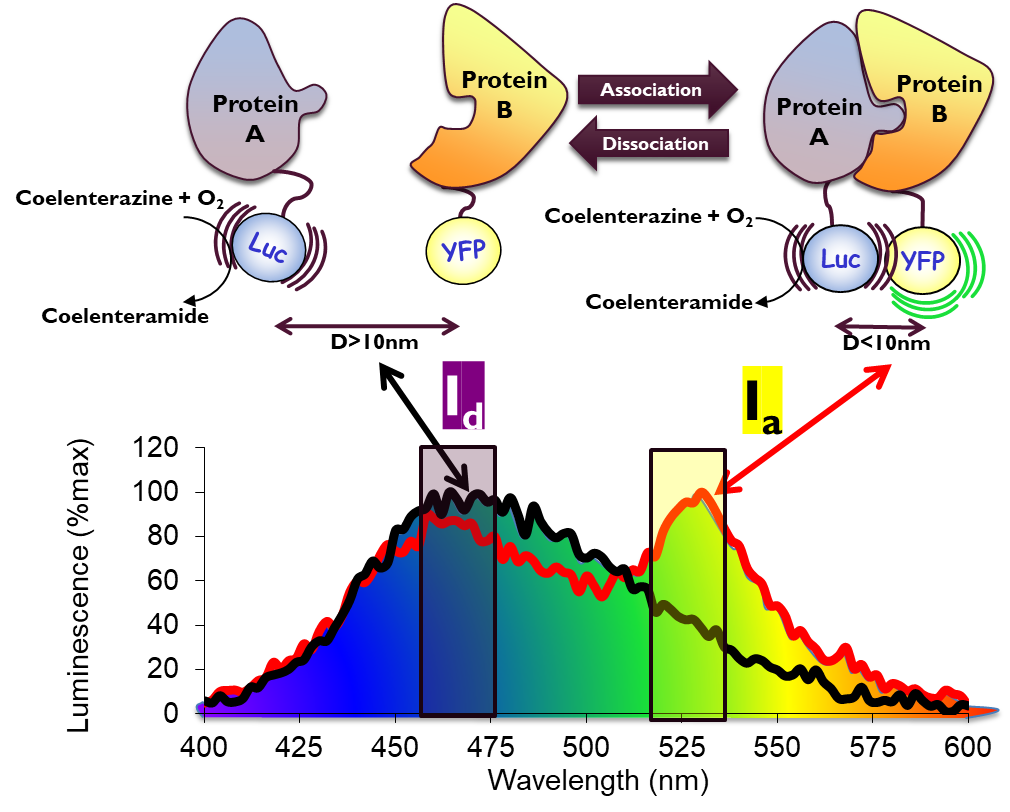


Bioelectromagnetics studies how electromagnetic fields affect biological systems, with thermal effects of RF fields well established but non-thermal effects still uncertain. With increasing exposure from wireless technologies, concerns have emerged about potential oxidative stress and DNA damage. This PhD project examined whether 5G-modulated RF fields at 3.5 GHz (0.08 and 4 W/kg) could trigger oxidative stress or alter DNA repair in human skin cells. Designed BRET probes targeting the Keap1–Nrf2 pathway and the DDB1/DDB2 repair complex were developed but proved insufficiently reproducible. Instead, validated ROBINy redox biosensors were used to monitor ROS dynamics under RF exposure alone or combined with known ROS inducers. CPD levels were also measured after combined 5G and UVB exposure to assess impacts on nucleotide excision repair (NER). Across all assays, 5G RF-EMFs did not induce oxidative stress, did not potentiate ROS generation, and did not interfere with UVB-induced DNA repair. These findings suggest that, under controlled conditions, 5G exposure does not disrupt oxidative balance or DNA repair mechanisms.