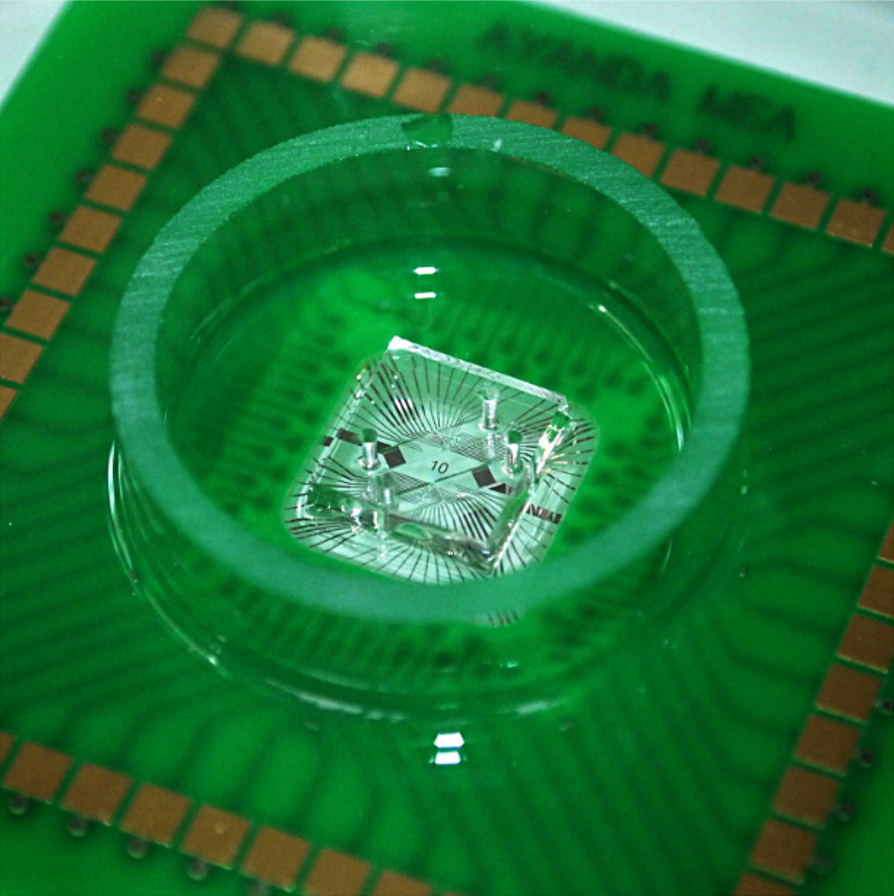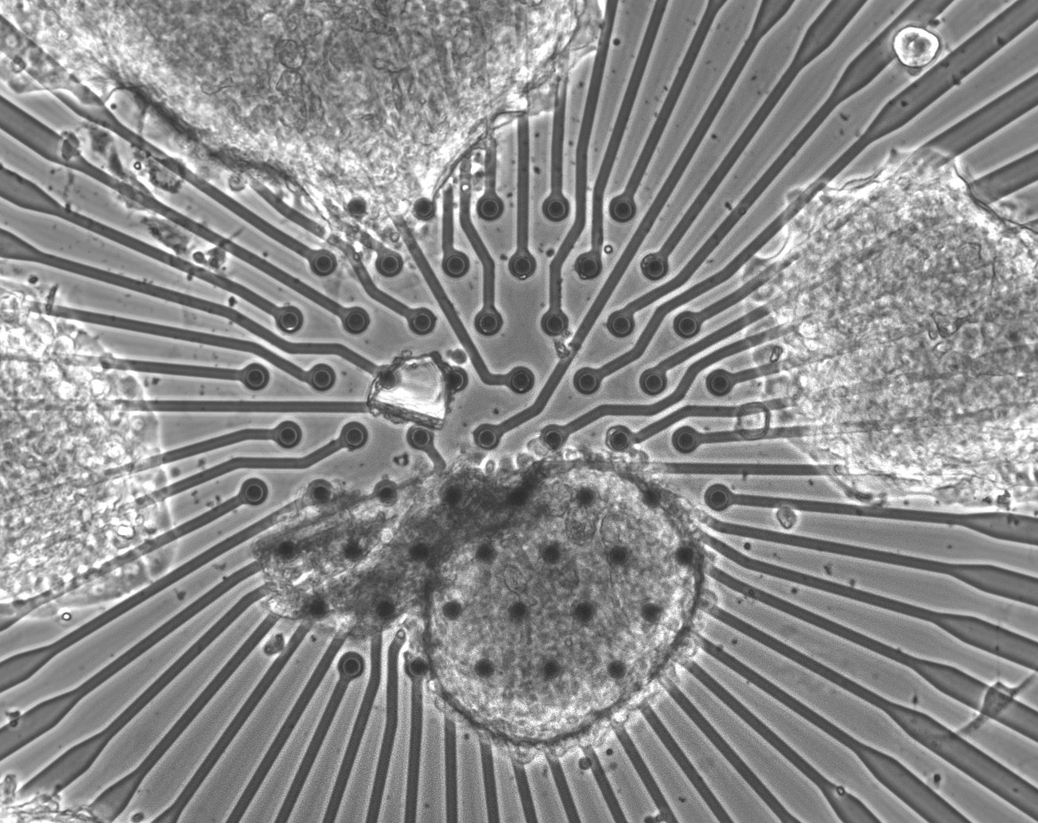


Diabetes is a major public health challenge, and understanding it largely depends on studying pancreatic islets, which play a central role in glucose homeostasis. In this context, microphysiological systems offer new experimental opportunities, but they also impose strong constraints on biological measurement, as the resulting data are often noisy, incomplete, and difficult to interpret. This thesis therefore focuses on the electrophysiological monitoring of pancreatic islets in such complex environments, with the aim of developing digital tools capable of extracting reliable and relevant information. It follows a progressive approach, moving from the robust estimation of a simple marker, slow-potential frequency, to a richer description of bioelectrical activity that includes its spatial organization and the unsupervised identification of different dynamic states.